
ARRHYTHMIA CENTER

Cardiology Associates Arrhythmia Center provides advanced heart rhythm care for patients in Mobile, Alabama and across the Gulf Coast. Our board-certified, fellowship-trained cardiac electrophysiologists diagnose and treat arrhythmias, atrial fibrillation (AFib), and other electrical conditions of the heart.
With convenient locations in Mobile, Fairhope, Foley, Chatom, Jackson, and Lucedale, patients can stay close to home for expert treatment and follow-up care. With more than 75 combined years of training and experience, our six electrophysiology specialists provide advanced therapies, including ablation with 3-D mapping, pacemakers, defibrillators, and other leading treatments using state-of-the-art technology and imaging.
What is Cardiac Electrophysiology?
Electrophysiology (EP) is a specialty focusing on the heart’s timing or electrical system and in the diagnosis and treatment of irregular heartbeats or arrhythmias also referred to as atrial fibrillation, AFIB.
The sub-specialty trained, board certified cardiologists at the Arrhythmia Center have completed an additional one-to-two year fellowship training program in clinical cardiac electrophysiology. This is in addition to their fellowship training in cardiology.
When to see a Cardiac Electrophysiologist?
Patients with simple palpitations to complex arrhythmias are referred to the Arrhythmia Center by their primary care provider or cardiologist for consultation regarding their rhythm condition. These could be newly diagnosed patients with atrial fibrillation (AFIB) or one that may need additional treatment options to manage their arrhythmia.
Patients may schedule an appointment with one of our electrophysiologists, however, please note that some insurance companies may require that the initial consultation have a referral from your primary care physician.

HEART RHYTHM CONDITIONS
Atrial Fibrillation (AFIB, AF)
The most common form of arrhythmia occurs when the electrical signal that causes the atria to contract in an organized way becomes irregular and disorganized. AFIB can occur from time to time (paroxysmal) or it can be a permanent or persistent condition. It can be a factor for a stroke especially for patients who are over 65, have been diagnosed with high blood pressure, congestive heart failure, diabetes, or peripheral vascular disease.
Risk Factors
High Blood Pressure
Diabetes
Coronary Artery Disease
Sleep Apnea
Congestive Heart Failure
Peripheral Vascular disease
Post Cardiac surgery
Weakened Heart Muscle – low ejection fraction
Heart Valve Disease – even if corrected
Excessive alcohol or caffeine
Symptoms
May differ in each patient but may feel like a sudden flutter of the heart, heart beat becomes irregular and more rapid than normal.
Shortness of Breath – especially during exertion
Weakness and difficulty exercising
Chest Pain
Palpitations
Dizziness
Fainting
Fatigue
Causes
May have no apparent cause or could be linked to other medical conditions such as:
Coronary Artery Disease
Sleep Apnea
Structural Defects of the Heart or Valves
Lung Disease
Thyroid Disease
Inflammation of the Heart
Fatigue
Obesity
Atrial Tachycardia (AT)
Atrial Tachycardia is a sustained, regular heart rhythm that occurs in the upper chamber of the heart and causes it to beat too rapidly.
Atrial Flutter (AFL)
Atrial flutter is similar to AT, characterized by a rapid heartbeat. Instead of rapid disorganized signals in the atria, however, AFL is caused by an electrical circuit that circulates rapidly in the right atrium about 300-400 cycles a minute, leading to a very fast, steady heartbeat.
Premature Ventricular Contraction (PVC)
Premature ventricular contractions or PVC’s are extra heart beats that begin in one of the two heart’s lower chambers or ventricles. These extra beats disrupt the regular heart rhythm, sometime causing a fluttering sensation or skipped beat in the chest. PVCs are a common type of arrhythmia, or irregular heart beat. Treatment for PVC’s may be needed when they become very frequent or bothersome or an underlying heart condition is detected. PVCs are diagnosed with a physical exam, an EKG or holter monitor. Treatment options can include ruling out possible triggers, medication and possible radiofrequency ablations in some instances.
Supraventricular Tachycardia (SVT)
This term describes several other types of fast heart rhythms that are not typically dangerous, but can cause symptoms of palpitations, fatigue, or shortness of breath. They typically start suddenly and stop suddenly, and may last for minutes or hours, with a rapid but steady pulse during the episode. The fast rhythm is usually caused by either an irritable spot that fires rapidly called atrial tachycardia, or by an electrical “reentry circuit” that involves an electrical connection between the top and bottom chambers of the heart (atrioventricular node reentry, AVNRT, or atrioventricular reentry with an accessory pathway, AVRT). Treatment options include medications or a catheter ablation procedure.
Ventricular Tachycardia (VT)
Typically seen after a patient has undergone coronary artery bypass surgery (CABG) or has had a coronary interventional procedure, VT is characterized by a very fast heart rate and can be life threatening. Occasionally, if can occur in people who have not had heart complications. If it does not stop on its own, VT usually requires prompt treatment with either medication or an electrical impulse to the heart (electrical cardioversion). Further treatment of VT may involve anti-arrhythmic medications or a catheter ablation procedure. Often, people with VT and heart disease are protected by implantation of a defibrillator (ICD). Because VT may lead to ventricular fibrillation, it is considered a serious condition that warrants aggressive monitoring and treatment.
Ventricular Fibrillation (VF)
The most common cause of cardiac arrest is an arrhythmia called ventricular fibrillation — when rapid, erratic electrical impulses cause your ventricles to quiver uselessly instead of pumping blood. Without an effective heartbeat, your blood pressure plummets, cutting off blood supply to your vital organs. Ventricular fibrillation, poses the greatest threat of all arrhythmias, and accounts for half of all cardiac deaths. In VF, the heartbeat is rapid and chaotic, which prevents the lower heart chambers, or ventricles, from pumping blood to the brain or body. During VF, the blood pressure falls to zero, and the person falls unconscious. A prompt, life-saving shock (defibrillation) must be delivered to the heart to restore a normal rhythm. Sometimes, VF can happen during a heart attack (myocardial infarction), because the heart muscle is irritated by the sudden blockage of an artery. VF can also happen at other times, and be caused by previous heart damage or an inherited (genetic) heart condition. It is important to realize that VF is an electrical disorder of the heart (not the same thing as a “heart attack”) and may or may not be related to a problem with clogged arteries that supply the heart with blood.
VF is sudden and happens without any warning. It stops all heart functioning. The lack of blood and oxygen throughout the body, and especially to the brain, is deadly within a few minutes if not treated promptly with defibrillation. Although CPR can provide temporary benefit, the only truly effective treatment for VF is defibrillation, which relies on paddles or electrodes to "shock" the heart back to normal rhythm. Without treatment, loss of consciousness comes in seconds, and death is inevitable within minutes.
Sudden Cardiac Death (SCD) or Sudden Cardiac Arrest (SCA)
The immediate cause of SCD or SCA is usually an abnormality in your heart rhythm (arrhythmia), the result of a malfunction in your heart's electrical system, caused by VT or VF. This usually occurs in patients with a low pumping function.
Syncope (Fainting)
Fainting, or feeling as if one might faint, can be caused by multiple conditions, ranging from mild to serious heart rhythm disorders, so it needs to be evaluated carefully. Sometimes the cause is not heart-related but still can be dangerous. Certain arrhythmias can cause a drop in blood pressure and lead to syncope, including medications or certain nerve reflexes to the heart and blood vessels. No matter what the cause, fainting can be dangerous and should be evaluated by a cardiac specialist.
Sinus Tachycardia
Sinus tachycardia is a regular cardiac rhythm when the heart beats faster than the normal resting rate. It is common to have a higher heart rate as a physiological response to exercise, stress or other factors, but if a heart rate is typically higher than normal, especially during times of rest or without apparent cause, it could be a sign of an underlying health issue. Treatment is typically aimed at addressing the underlying cause rather than the irregular heartbeat or tachycardia.
Specialized Treatments and Procedures for patients with Arrhythmias
Most arrhythmias are treated with a high percentage of cure rates and a low percentage of complications. There are a variety of therapies available in the treatment of arrhythmias. The different therapies are dependent on the arrhythmia condition or cause. Some arrhythmias can be treated with medical therapies where others may require special monitoring to aid in diagnosis. The information presented from the monitoring will aid in the determination of treatment methods and whether an invasive procedure may be necessary.
Testing
Diagnostic Electrophysiologic Study (EPS) – Conducted to identify the location of your heart’s abnormal electrical pathways. Electrical wires are inserted into a catheter and guided through blood vessels in your leg to your heart, providing information that is critical to diagnosing and treating arrhythmias. While inside the chambers of the heart, the wires record abnormal impulses or heartbeats. Once the abnormality is discovered, it may be treated with radiofrequency catheter ablation.
Electrocardiogram (EKG or ECG) – Involves provoking arrhythmias and produces data that makes it possible to determine the source of arrhythmia symptoms, predict the risk of a future cardiac event, evaluate the effectiveness of medications that may be in use to control the heart rhythm disorder, and assess the need for an ablation procedure or the use of an implantable device such as a ICD or pacemaker.
Holter Monitor – These are external devices that are worn by an individual who may be at risk for heart circuitry complications. The monitor automatically records a continuous ECG or EKG of the heart’s electrical activity. These are typically worn for a period of 24 to 48 hours
Device Clinic and Transtelephonic Monitoring – Used to record heart rate and rhythms for brief periods, which are sent to a recorder by telephone.
Medical Therapy - Certain rhythm disorders are treated with antiarrhythmic medications only prescribed by a licensed electrophysiologist. Inpatient monitoring during the initiation of these medications is used for rhythm management and antithrombotic therapy.
Device Implants - These devices deliver a controlled electric impulse to the heart. A defibrillator may actually “shock” the heart back from a deadly rhythm into a normal heart rhythm. In emergency situations the devices are external however most often they are implanted on the patient’s chest under the skin.
Permanent Pacemaker – Small electronic device that “paces” the heart when it is beating too slow (bradycardia). The pacemaker is implanted in the chest just under the skin and has insulated leads which are placed inside one of the heart's chambers. The electrode on the end of a lead touches the heart wall and when an irregularity is detected, the lead delivers electrical impulses to the heart. A pacemaker can take over for the sinoatrial node, or the heart’s natural pacemaker, when it is functioning improperly. Pacemakers monitor and regulate the rhythm of the heart and transmit electrical impulses to stimulate the heart if it is beating too slowly.
Implantable Cardioverter Defibrillators (ICDs) – An ICD is a small electronic device that is placed on the chest under the skin. It constantly monitors your heart rhythm. If it senses a dangerous rapid heart rhythm, it delivers pulses or shocks to the heart and restores a normal rhythm. ICDs are 99% effective in stopping life-threatening arrhythmias and are the most successful therapy to treat ventricular fibrillation, the major cause of SCD. ICDs continuously monitor the heart rhythm, functioning as pacemakers for heart rates that are too slow, and deliver life-saving shocks if a dangerous heart rhythm is detected.
Devices for Heart Failure – There are multiple devices available to patients with low ejection fraction or low pumping functioning hearts which can be augmented with certain pacing patterns. Electrophysiologists are able to implant into both the left and the right sides of the heart to resynchronize muscle contractions and improve the pumping function of the weakened heart.
Video demonstrating Pacemaker Treatment
Video demonstrating ICD Treatment
Radiofrequency Ablations with 3-D mapping
Ablation – is a procedure used to treat abnormal heart rhythms by disrupting or scarring the areas responsible for irregular electrical signals in the heart. It involves threading a thin catheter through the blood vessels to the heart, where energy is applied—through heat, cold, or more recently, pulsed electric fields—to destroy or alter the cells causing the issue. This process blocks the problematic electrical pathways, preventing the heart from beating too fast. Ablation is commonly recommended for patients with atrial fibrillation when medications prove ineffective or are not well-tolerated.
Pulmonary Vein Isolation Procedure (PVI)– Atrial circuits in the left atrium or pulmonary veins are ablated for a potential cure of Afib. This procedure is appropriate for patients who have paroxysmal or persistent AF that fail medical treatments, have had complications or cannot tolerate antiarrhythmic medications.
AV Node Ablation - This ablation procedure improves symptoms when the cause of atrial fibrillation (Afib) cannot be corrected. The ablation procedure will block the AV node, which is the area in the heart where the atrial and ventricular electrical systems, so the atria can no longer send signals to the ventricles. Following an AV Node Ablation, a permanent pacemaker will be implanted to stimulate the ventricles to beat. This will help improve the symptoms of Afib and also allow any medications to be stopped.
Cardioversion – Refers to the process of restoring the heart's normal rhythm from an abnormal rhythm. Most elective cardioversions are performed to treat Afib, a heart rhythm disturbance originating in the upper chambers (atria) of the heart. This is an outpatient study done with conscious sedation. During a cardioversion, a direct current is used to momentarily depolarize most cardiac cells allowing the sinus node to resume normal pacemaker activity.
Atrial Fibrillation video
Arrhythmia Ablation video
The Arrhythmia cENTER Team

E. Matthew Quin, MD, FACC
Cardiac Electrophysiology
Mobile
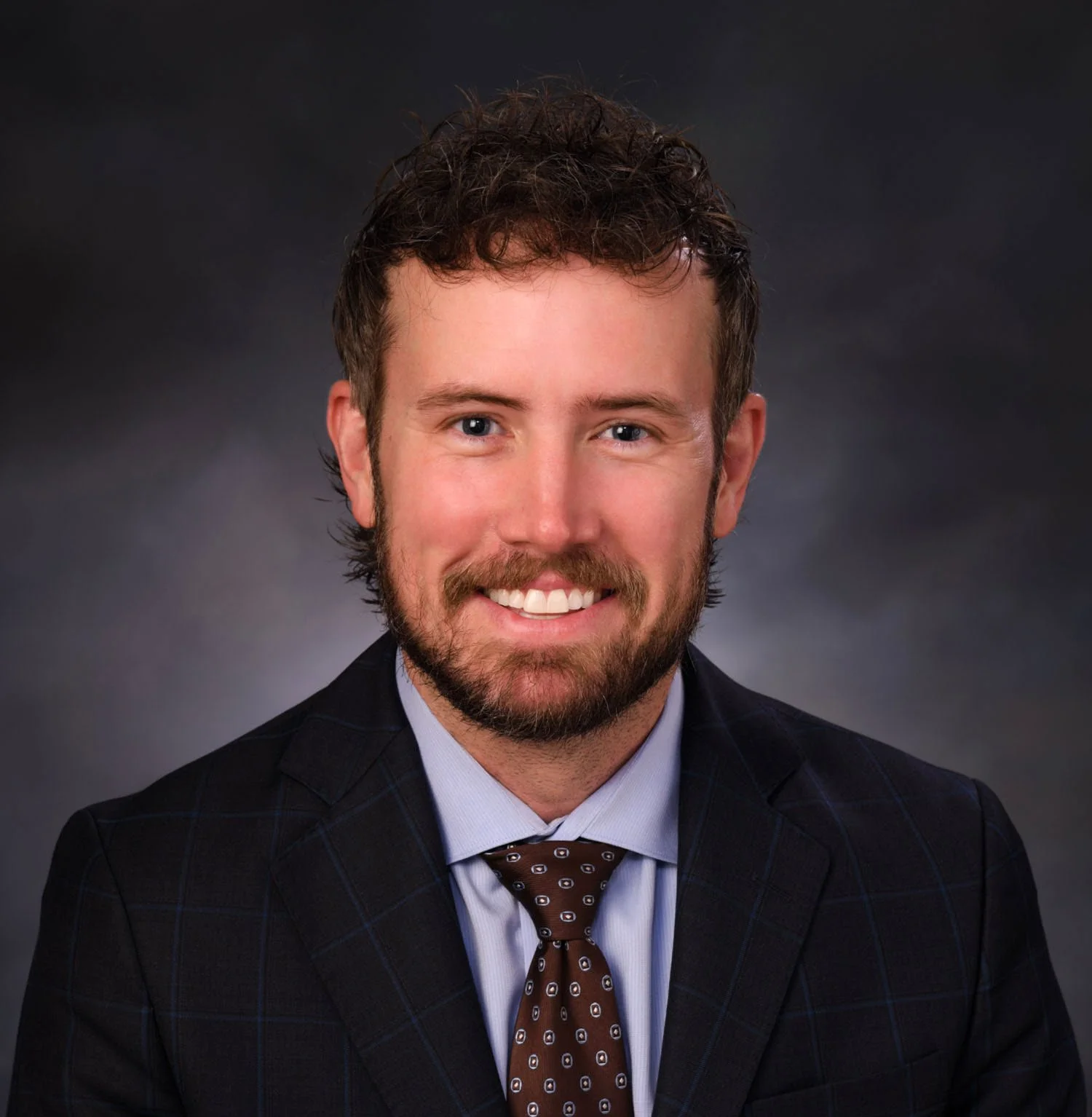
Chance M. Witt, MD, FACC
Cardiac Electrophysiology
Mobile

Andin H. Mullis, MD, FACC
Cardiac Electrophysiology
Mobile

Robert P. Robichaux, Jr., MD, MPH, FACC
Cardiac Electrophysiology
Fairhope & Foley

Jordan M. Chaisson, MD, FACC, FHRS
Cardiac Electrophysiology
Fairhope & Foley
Request an Appointment
If you need immediate medical assistance, please call 9-1-1.
We cannot accept emergency requests through this online appointment form.
We know how important it is for you to get your appointment scheduled promptly. To schedule an appointment, please call 251-607-9797 Monday through Friday from 8:00 a.m. to 5:00 p.m. or complete the form below. A representative will contact you within 24 hours or the following business day to schedule your appointment.
If you are an established patient of Cardiology Associates, you may also request to schedule an appointment online through our Patient Portal. In the portal, you can also request prescription refills, submit questions and provide updated information.
APPOINTMENT CANCELLATION POLICY - Please note, we require at least 24 hours’ notice to reschedule or cancel an appointment. Missed appointments or cancellations made without enough notice will result in a $50 cancellation fee. Please contact our office 251-607-9797 as soon as possible to avoid this charge.