

Structural HEart
The Structural Heart Team at Cardiology Associates helps patients across the Gulf Coast who have heart conditions that affect the structure of the heart. We offer advanced, minimally invasive procedures — meaning smaller incisions and faster recovery — for patients who may not be able to have open-heart surgery or who want access to the newest treatment options. We treat conditions like aortic stenosis, mitral valve regurgitation, atrial fibrillation, patent foramen ovale (PFO), and atrial septal defect (ASD). We also care for patients who take long-term blood thinners and may be at higher risk for stroke. The best part? Expert care is available right here in your community. Our team includes experienced heart specialists at two locations: Mobile, Alabama Interventional Cardiologists: Dr. Wail Hashimi, Dr. John Galla, and Dr. James Gladden. Electrophysiologists: Dr. Matthew Quin, Dr. Chance Witt, and Dr. Andin Mullis. Fairhope, Alabama Interventional Cardiologists: Dr. Stan Thornton and Dr. Htin Aung. Electrophysiologists: Dr. Robert Robichaux and Dr. Jordan Chaisson.

About Aortic or Mitral Valve Disease
Valve disease is very common, affecting more than five million Americans each year. Because symptoms often develop slowly, many people may not know they have valve disease until it becomes more advanced.
Valve disease happens when one or more heart valves become narrow or leaky. This makes the heart work harder to pump blood in the right direction. If left untreated, valve disease can lead to heart failure.
The heart has four valves—the mitral, aortic, tricuspid, and pulmonic valves. The mitral and aortic valves are most often affected. Severe aortic stenosis occurs when the aortic valve becomes too narrow, making it harder for blood to flow from the heart to the rest of the body. Mitral valve regurgitation occurs when the mitral valve does not close properly, allowing blood to leak backward. Over time, this can weaken the heart and may lead to congestive heart failure.
Diagnosing Aortic Stenosis, Mitral Valve Regurgitation and Other Valve Diseases
Symptoms of valve disease can be easy to miss at first. Because the condition often develops slowly, the heart may adjust over time and symptoms may go unnoticed. Common symptoms include shortness of breath, swelling in the hands, feet, ankles, or abdomen, heart palpitations, mild chest pain, fatigue, dizziness, and fainting.
Valve disease may be present at birth or may develop over time. It can also be caused by a heart attack, hardening of the arteries, high blood pressure, endocarditis, rheumatic fever, or age-related changes in the heart valves.
An echocardiogram is often the first test used to evaluate valve disease. This ultrasound of the heart provides important information about the heart’s structure and how the valves are working. Additional testing may include a cardiopulmonary exercise test (CPX), cardiac PET scan, cardiac CT, or cardiac catheterization to help confirm the diagnosis and guide treatment.
Aortic Valve Replacement
In the past, heart valve repair or replacement usually required open-heart surgery. For some patients, especially those who are older or frail, that may not be the best option. Cardiology Associates offers minimally invasive treatment options for patients with valvular heart disease.
Our Structural Heart Team includes experts in interventional cardiology, cardiothoracic surgery, clinical technology, and nursing who work together to perform valve repair and replacement procedures through a catheter.
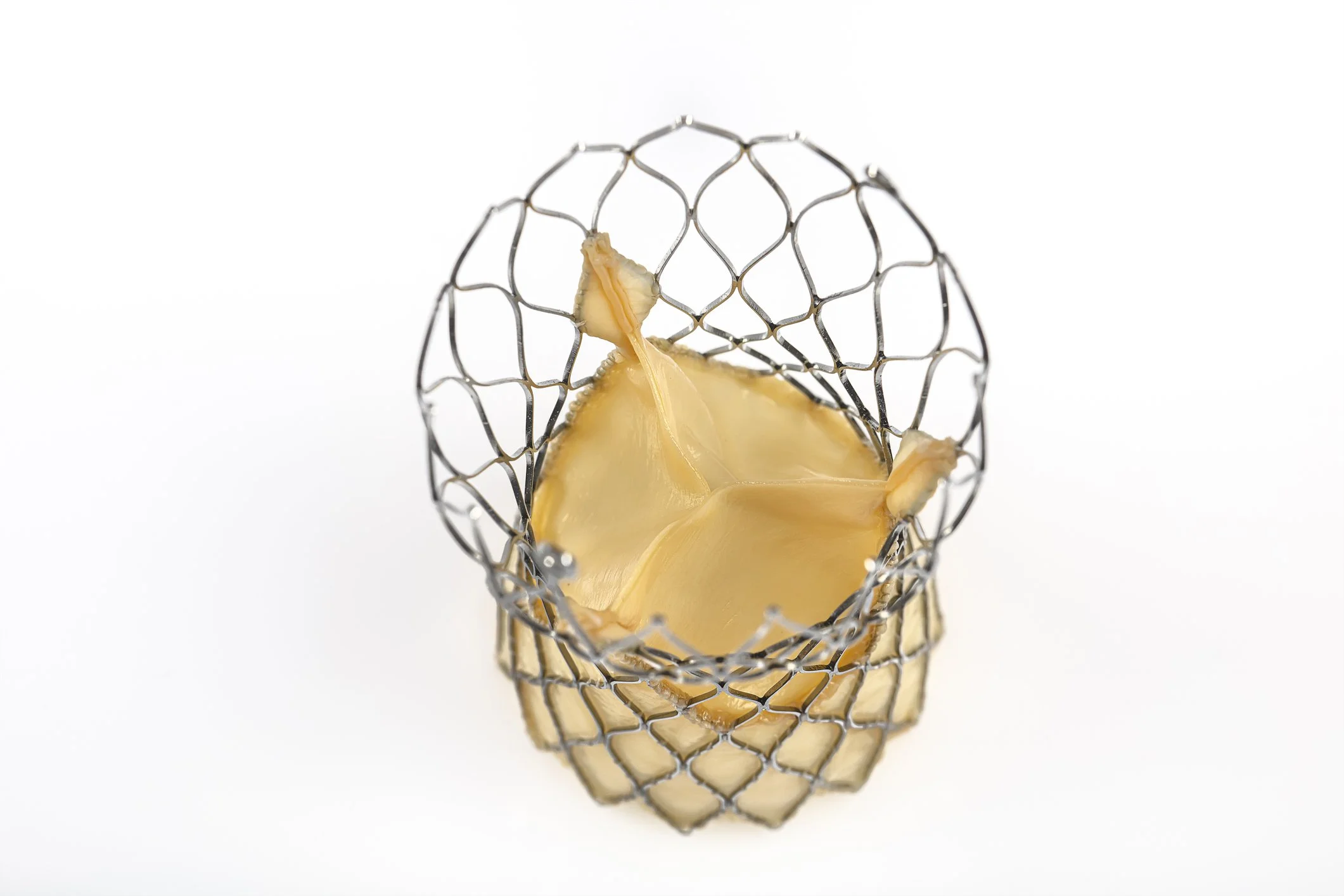
After FDA approval in late 2011, Cardiology Associates became one of the first heart teams in the country to offer TAVR for patients with aortic valve disease. This advanced treatment has helped improve quality of life for many Gulf Coast patients with severe aortic stenosis.
Our team has performed more than 1,000 valve replacement procedures. TAVR, also called TAVI, is a minimally invasive procedure that replaces a damaged aortic valve with a new one.
Mitral Valve Repair
Treatment for degenerative mitral regurgitation depends on how severe the condition may be, and if it's getting worse. The goal of mitral regurgitation treatment is to improve your heart's function while minimizing your symptoms and avoiding future complications. If open-heart mitral valve surgery is not an option for you—due to your age, advanced heart failure, or other serious medical conditions—you may be eligible for a less-invasive treatment option called transcatheter mitral valve repair.
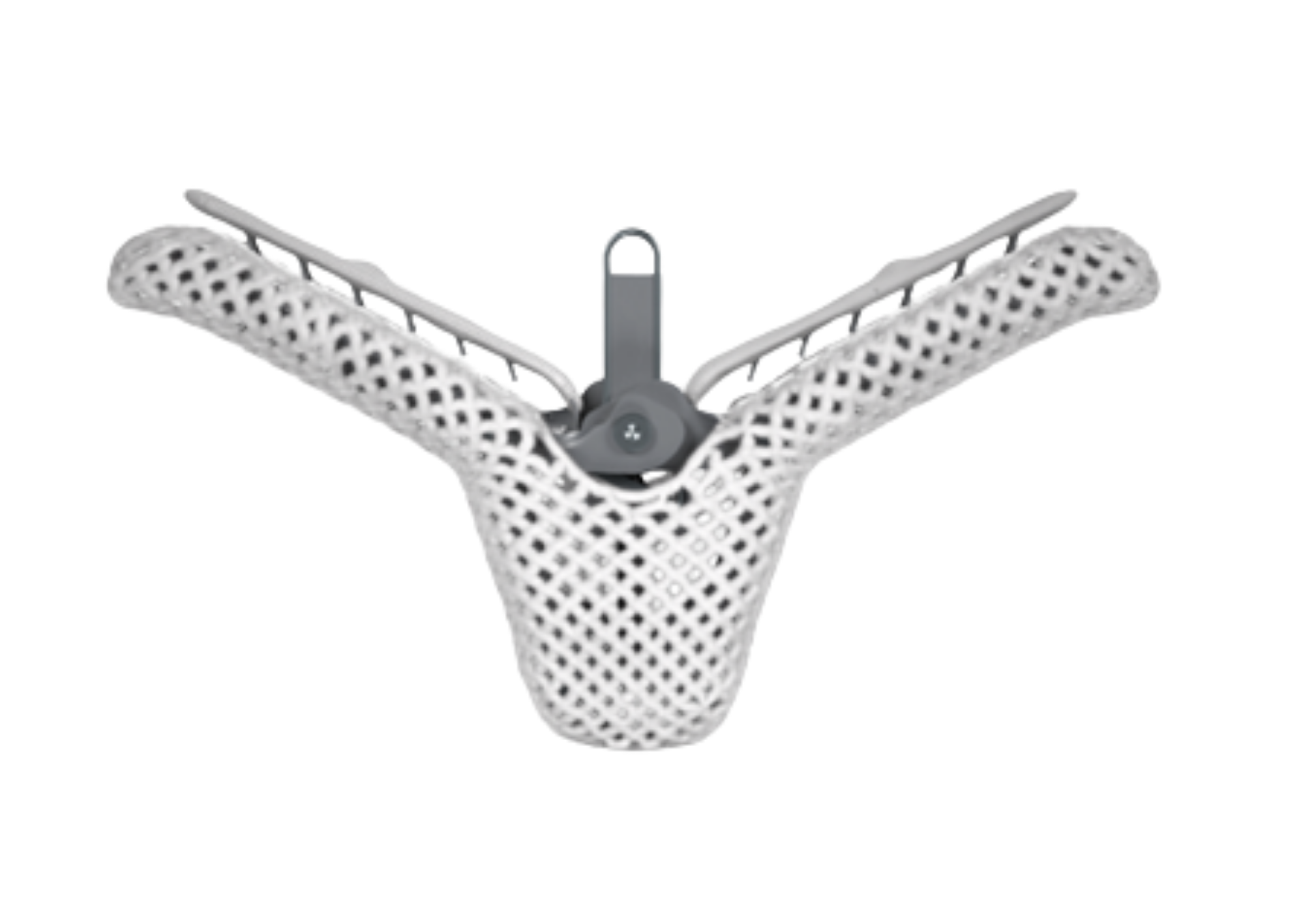
Transcatheter Edge to Edge Repair or TEER is performed using the Mitraclip(R), treating patients with mitral valve regurgitation who are not surgical candidates for mitral valve repair or replacement.
For both TAVR and TEER, to ensure optimal patient results, our multi-disciplinary team uses state-of-the art hybrid catheterization labs, supported by the hospital’s highly trained staff to offer this cutting edge technology to the patients of the Gulf Coast.
Left Atrial Appendage Closure (LAAC)
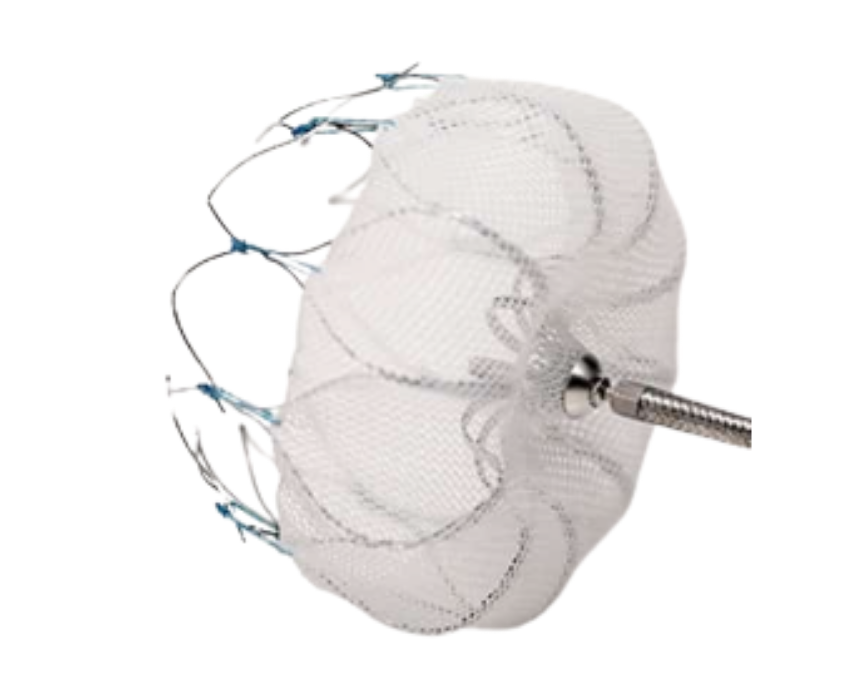
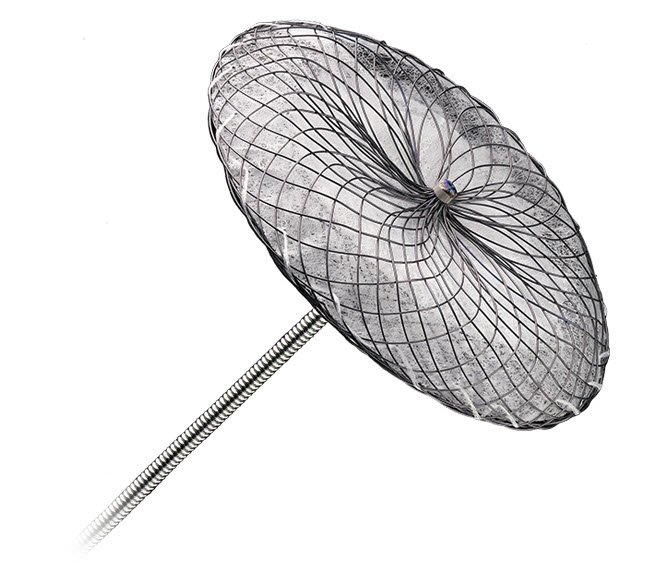
Left atrial appendage closure, or LAAC, is a minimally invasive procedure for some patients with atrial fibrillation (AFib) who take blood thinners. During this catheter-based procedure, a small device is placed in the left atrial appendage, the area of the heart where blood clots often form. Sealing off this area can help reduce the risk of stroke.
LAAC may be an option for patients who need an alternative to lifelong blood thinner use because of bleeding concerns, difficulty staying on the medication, or work-related restrictions.
Patent Foramen Ovale (PFO) / Atrial Septal Defect (ASD)
PFO and ASD closure procedures are minimally invasive treatments used to close an opening in the wall between the upper chambers of the heart. Using a catheter, a small mesh device is placed on both sides of the opening. Over time, tissue grows over the device, sealing the hole.
This treatment may help improve symptoms, increase activity tolerance, and reduce the risk of ischemic stroke for some patients.
Watch Structural Heart Procedure Animations
Transcatheter Aortic Valve Replacement
MitraClip procedure

Patient Evelyn Knowles and her family talk about transcatheter aortic valve replacement (TAVR), which was performed by Dr. John Galla, and how it improved her quality of life.
Mitral Valve Repair / Replacement
Watch the video to see an animation of mitral valve repair using the MitraClip® device.
Left Atrial Appendage Closure
Watch this video to learn how the Watchman™ device closes the left atrial appendage and may offer an alternative to long-term blood thinners.
TAVR Patient Testimonial
For Evelyn Knowles, a diagnosis of severe aortic stenosis was threatening to take away the things she loved most — cooking for her family, enjoying outings to the casino, and simply keeping up with the people who matter most to her.
Under the care of John Galla, MD, a leader in Cardiology Associates' structural heart program, she underwent a Transcatheter Aortic Valve Replacement (TAVR) — a minimally invasive procedure that replaced her failing heart valve without open-heart surgery. The results were life-changing.
Her story is exactly why we do this work," reflects the spirit of Dr. Galla's approach to structural heart disease.
THE STRUCTURAL TEAM
Kristen N. Brown, MD, FACC

James D. Gladden, MD, PhD

E. Matthew Quin, MD, FACC

Jordan M. Chaisson, MD, FACC, FHRS
M. Wail Hashimi, MD, FACC

Stan Thornton, MD, FACC,FSCAI

John M. Galla, MD, FACC, FSCAI

Andin H. Mullis, MD, FACC
Chance M. Witt, MD, FACC
Structural Heart Coordinators
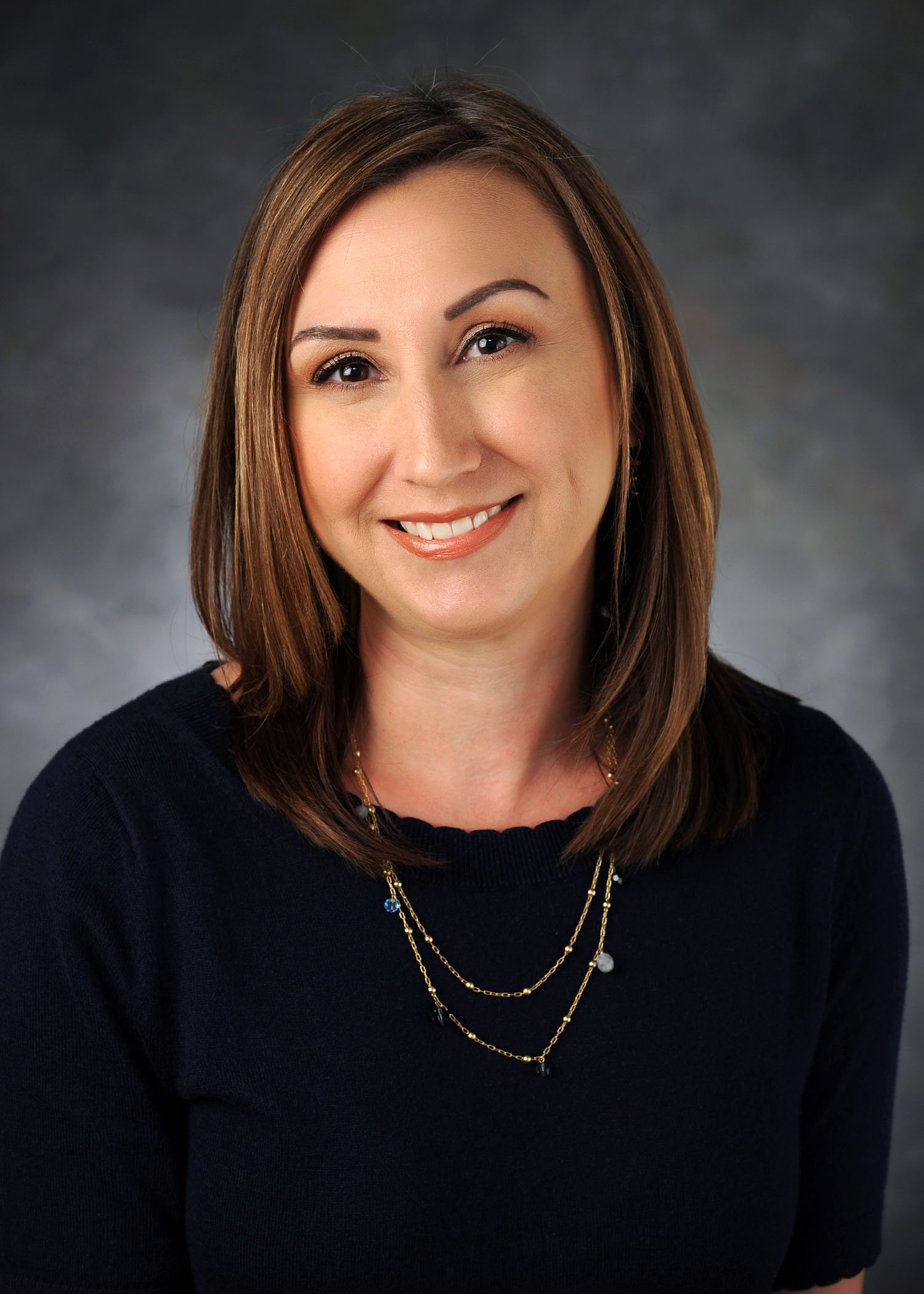
Heather Beasley, RN, BSN Structural Heart Coordinator
Transcatheter Aortic Valve Replacement
Watch this video to see how a transcatheter aortic valve replacement is used to treat aortic stenosis.

Tenesha Chestang, LPN Structural Heart Coordinator
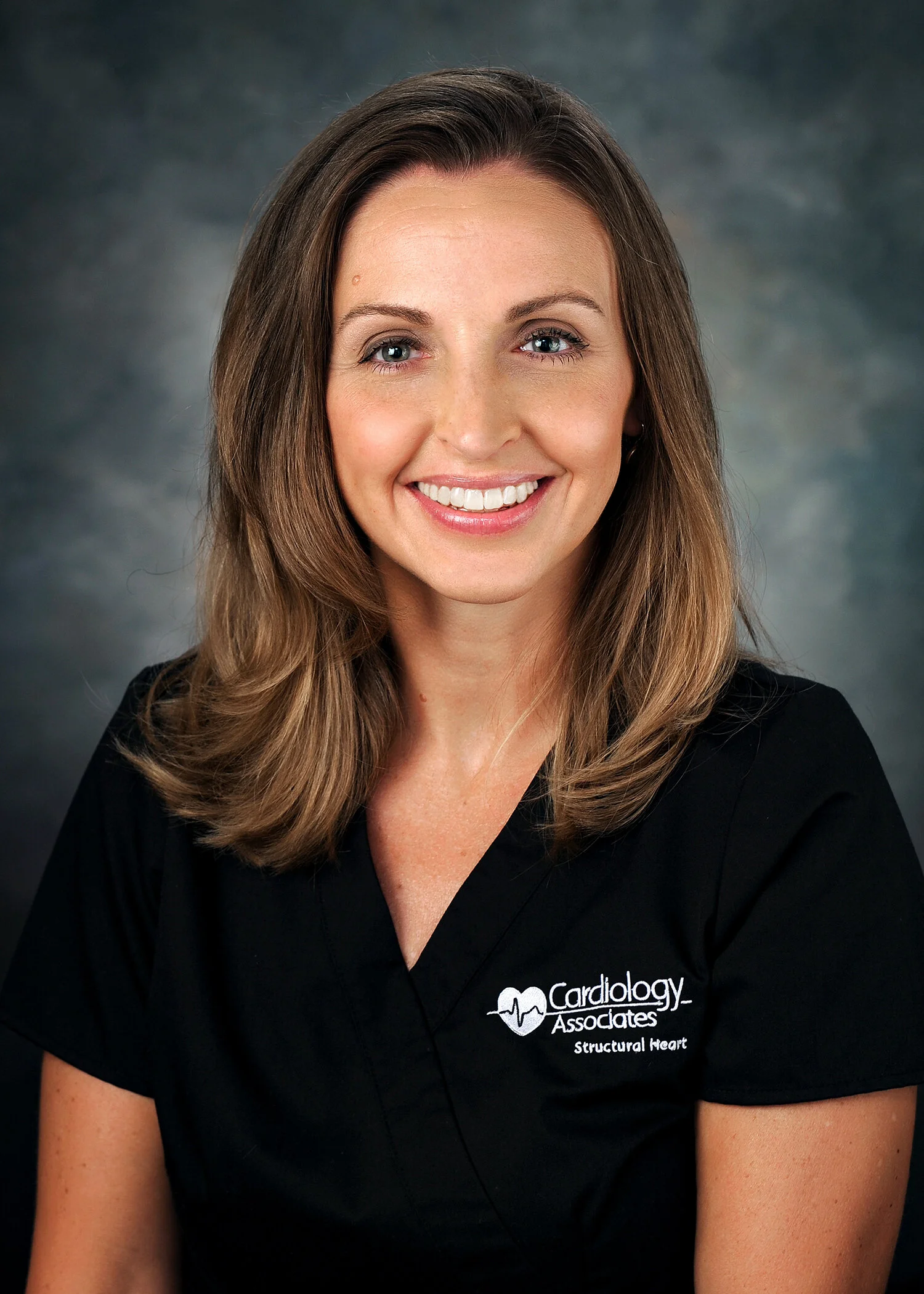
Jamie Harrell, RN, BSN Structural Heart Coordinator

Melanie Williams, RN, BSN Structural Heart Coordinator
Request an Appointment
If you need immediate medical assistance, please call 9-1-1. We cannot accept emergency requests through this online appointment form.
We know how important it is for you to get your appointment scheduled promptly. To schedule an appointment, please call 251-340-6852, Monday through Friday from 8:00 a.m. to 5:00 p.m. or complete the form below. A representative will contact you within 24 hours or the following business day to schedule your appointment.
If you are an established patient of Cardiology Associates, you may also request an appointment online through our Patient Portal. In the portal you can also request a prescription refill, submit questions and provide updated information.
We understand schedules can change so should you need to reschedule or cancel your scheduled appointment please call at least one day in advance so we can give your time to another patient. If due to unforeseen circumstances, you cannot give 24 hours’ notice, please call as soon as you know you will be unable to keep your appointment. If you miss an appointment for any reason, please do not come into the office without first rescheduling another appointment.